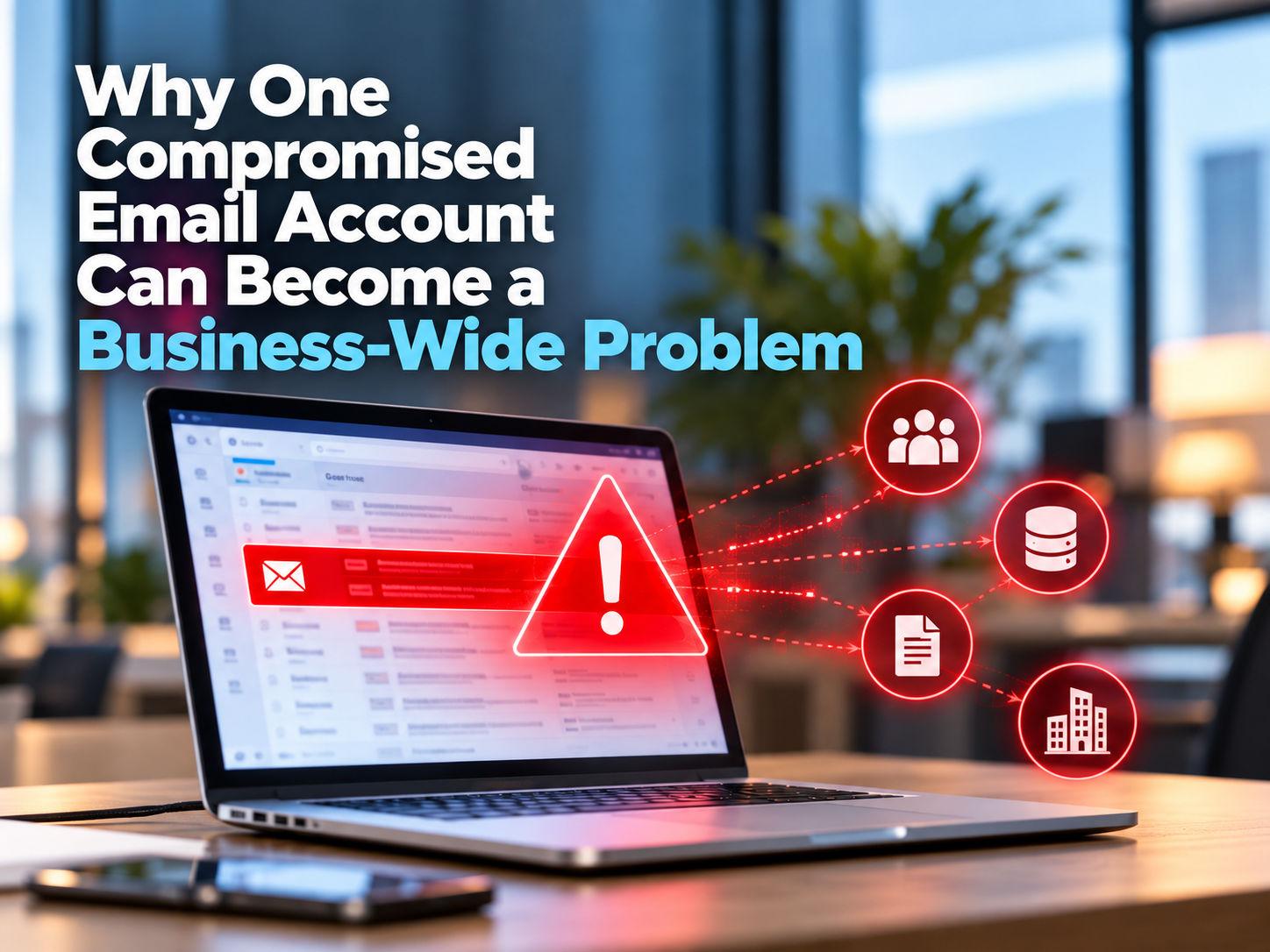
Why One Compromised Email Account Can Become a Business-Wide Problem
October 16, 2026
Imagine an employee enters their Microsoft 365 password into a convincing fake login page.
October 16, 2026
Imagine an employee enters their Microsoft 365 password into a convincing fake login page.

October 14, 2026
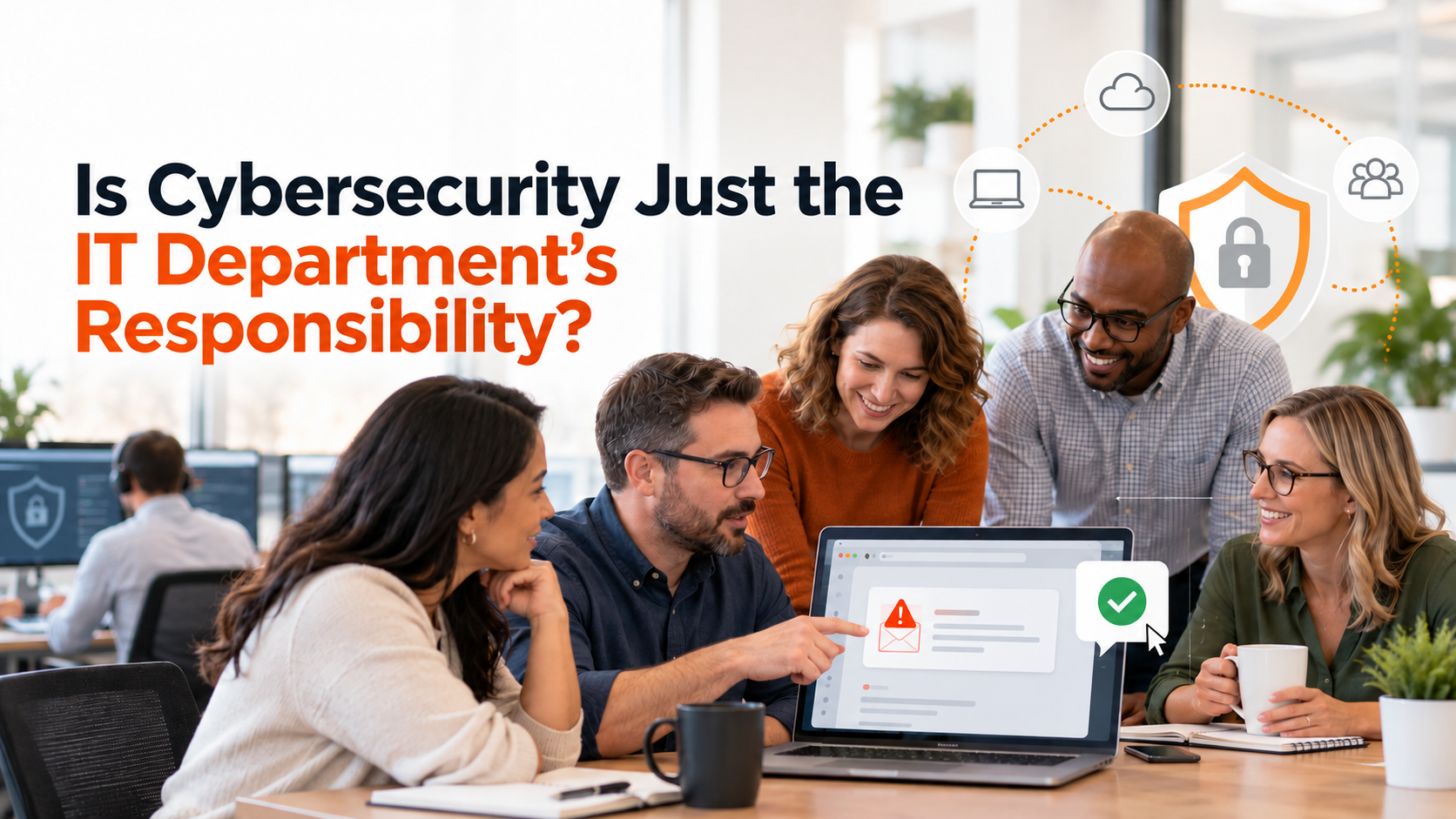
When your computer freezes, you know what your IT company does. You call, they troubleshoot the problem, and hopefully your computer starts working again.
October 12, 2026
It is 4:17 on a Friday afternoon. An employee receives an email that appears to be from the owner of the company: Can you send me the updated banking information before you leave?
October 7, 2026
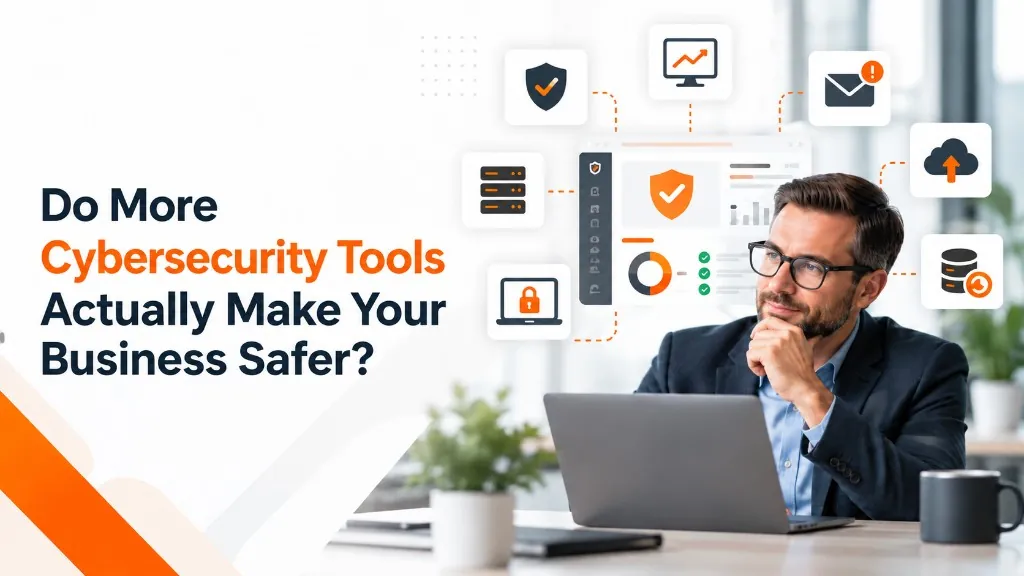
A long list of cybersecurity products is not the same thing as strong security. What matters is whether those protections work together and actually address the risks a business faces.
October 5, 2026
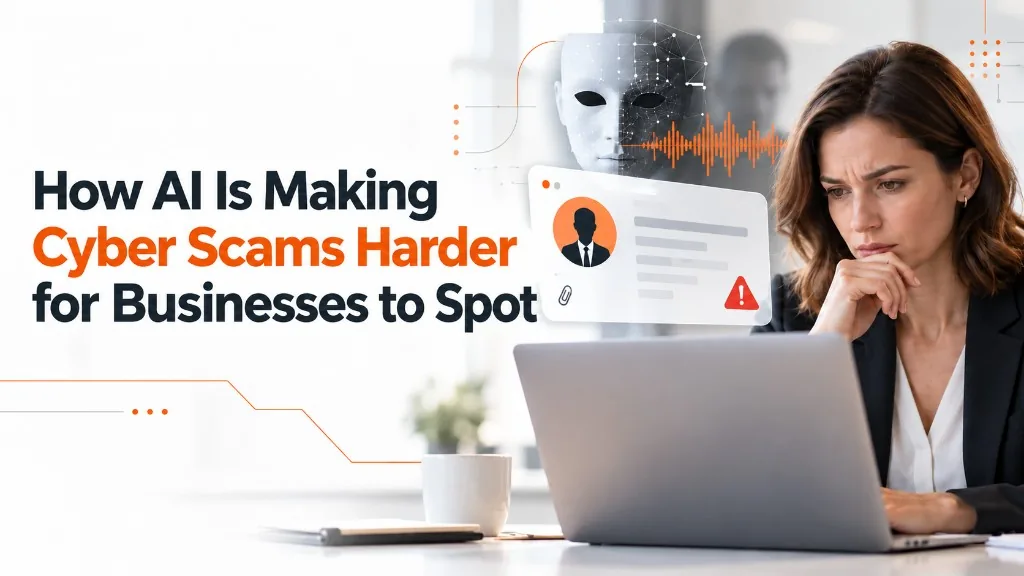
Artificial intelligence can polish scam emails, imitate a familiar voice, and make old warning signs less reliable. Businesses need verification processes that still work when the disguise gets better.
October 2, 2026
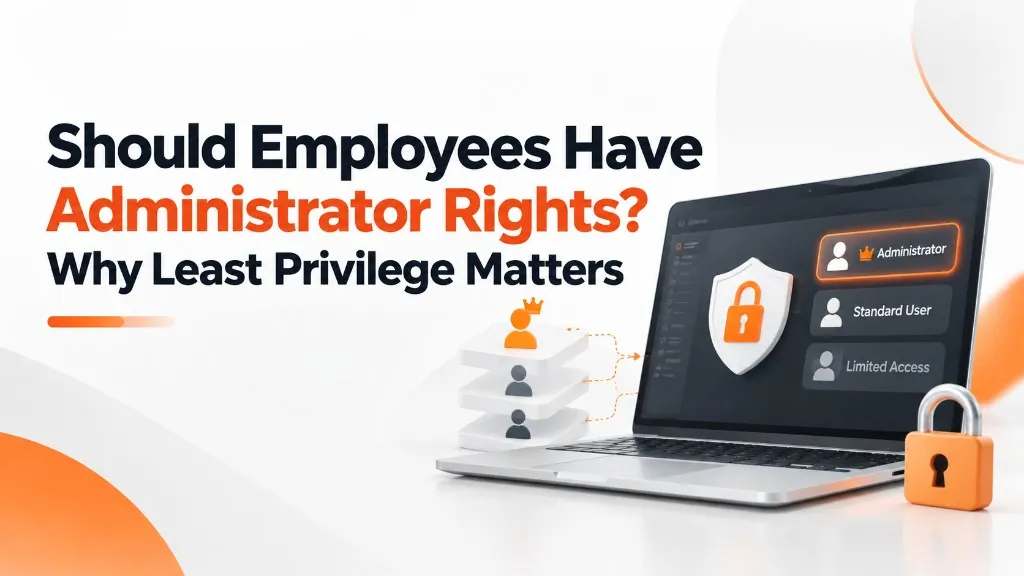
Local administrator rights do more than allow software installs. Least privilege gives employees the access their jobs require, and limits how far a compromised account can reach.
September 30, 2026
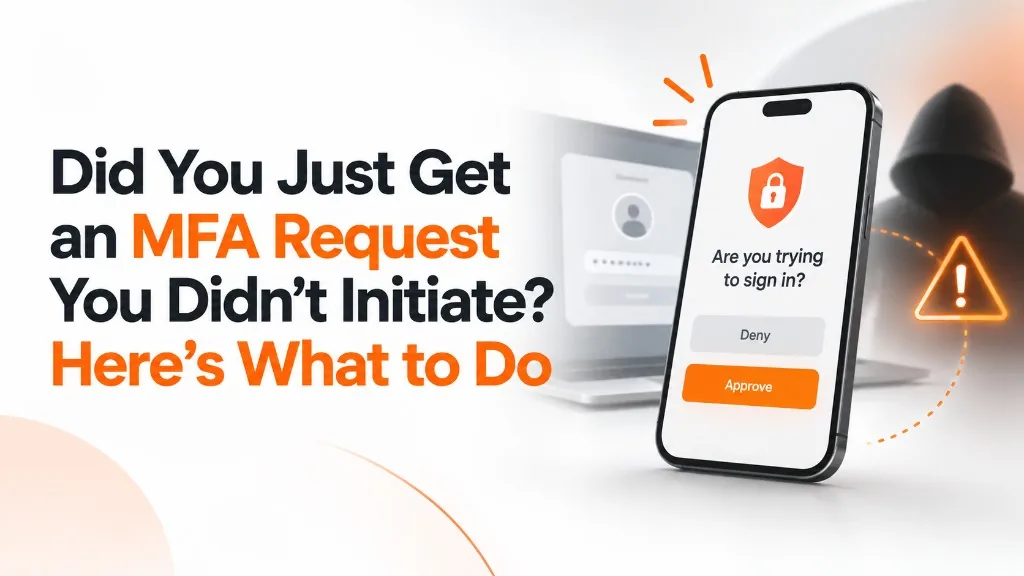
If your phone asks you to approve a sign-in you did not start, do not approve it. An unexpected MFA request can be an early warning that someone is trying to access the account.
September 28, 2026
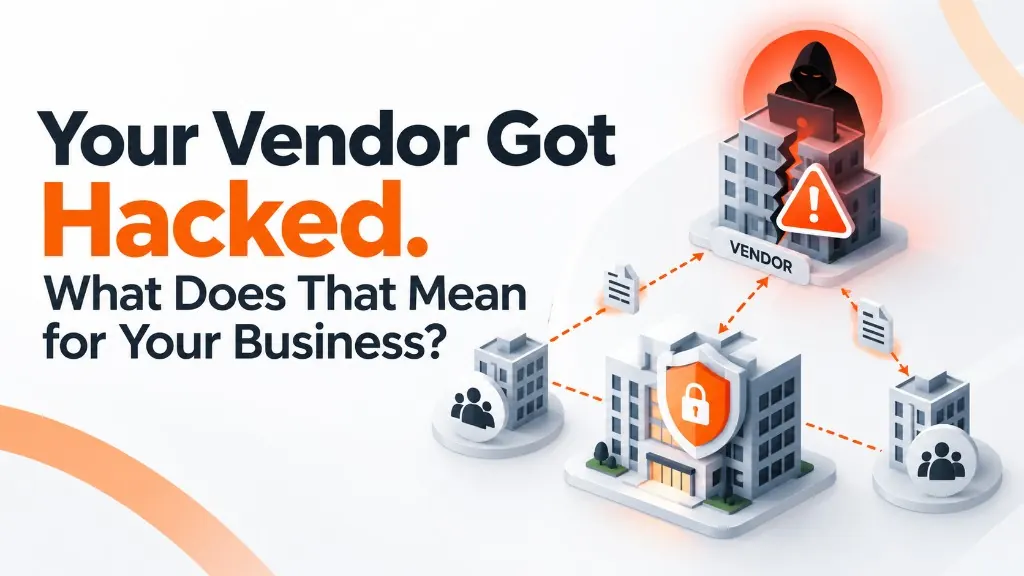
A vendor breach can expose your data, interrupt an essential service, or give attackers a path toward your business—even when your own network was never compromised.
September 25, 2026
The first hour after ransomware is for isolation, coordination, and evidence—not a scramble to restore everything. Here is what that hour can look like.
September 23, 2026
A usable business continuity plan answers how essential functions keep operating when internet, payments, cloud apps, or IT systems fail—not just how technology gets restored.